The problem
Efflorescence (White Residue)
Efflorescence is mineral salts — primarily calcium and magnesium sulfates — that migrate to the surface of masonry as water evaporates through it.
Get a quote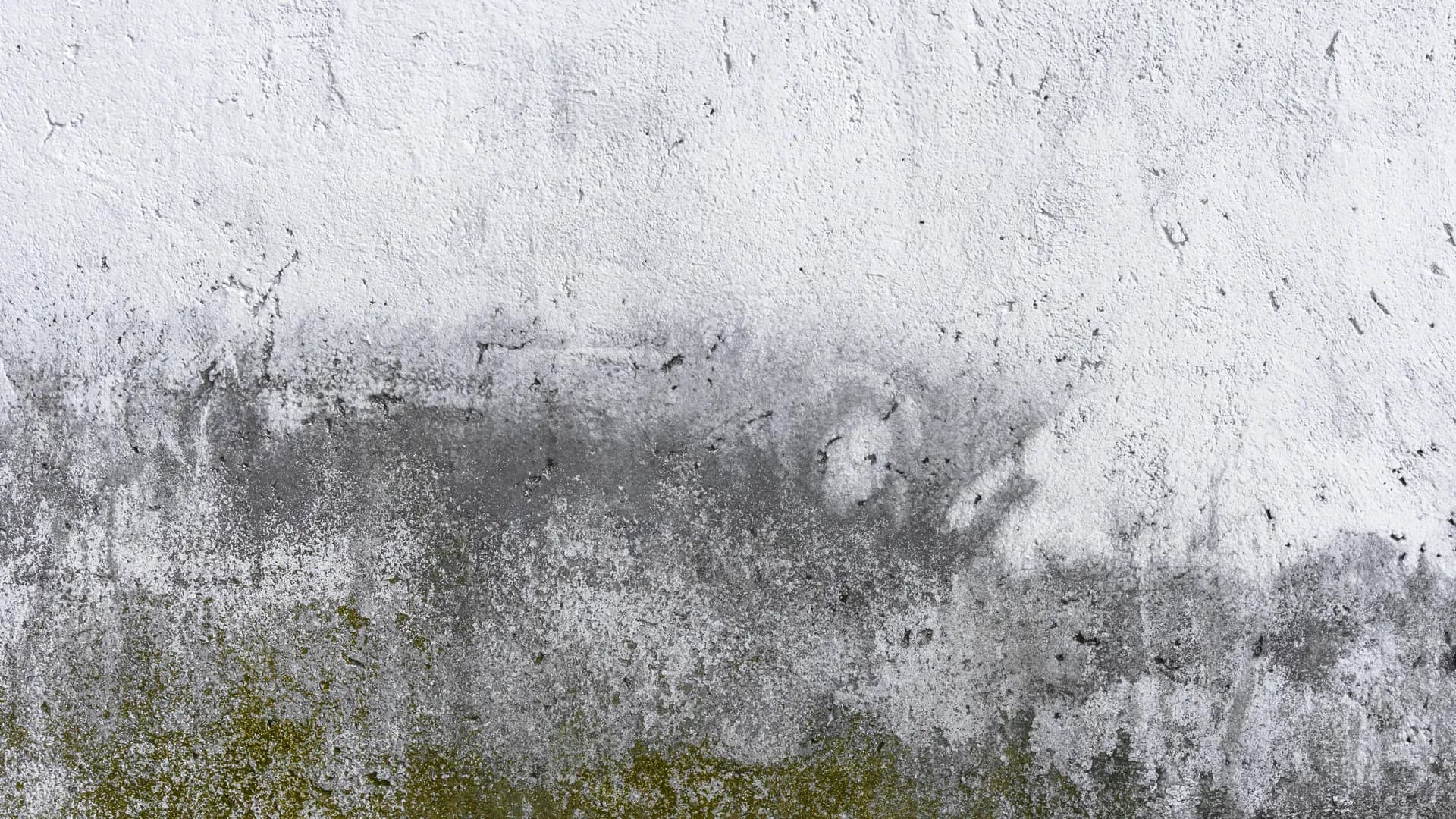
The white stuff is coming from inside the wall
Almost nobody knows what efflorescence is, and that misunderstanding is why it keeps coming back.
Masonry — brick, mortar, stucco, concrete pavers, cast stone — contains soluble mineral salts, mostly calcium and magnesium sulfates, left over from the cement, clay, sand, or the soil behind it. When liquid water moves through the material it dissolves those salts and carries them along. Where the water reaches the face of the wall it evaporates, and the salt cannot evaporate with it. The mineral is deposited right there, as a white crystalline bloom.
So the white deposit did not land on your wall. It came out of it. Efflorescence is a visible report on water movement through masonry, and that has a hard consequence: clean it off without addressing the water and you have reset a clock, not solved a problem. We clean it, and we tell you where the water is getting in. Two separate pieces of the job.
Primary versus recurring
Primary efflorescence happens on new masonry. A fresh wall or paver installation carries a lot of free water and unreacted salt, and the first year of drying pushes both to the surface. It looks alarming and is usually self-limiting: the available salt gets used up and the bloom tapers off. On a new Sonoma or Petaluma hardscape install, let the first winter run its course, then clean once in spring.
Recurring efflorescence is a different animal. If a wall has bloomed every year for five years, the salts are being resupplied, which means water is being resupplied. There is a path, and it is almost always one of a short list:
- Failed or missing flashing at a cap, ledge, or wall-to-roof junction, letting water into the top of the assembly.
- An irrigation head hitting the wall. The most common cause we find in the valley, and the easiest to fix. High-mineral well water makes it worse twice over, adding its own salts to whatever the masonry contributes.
- A planter box or raised bed against masonry with no capillary break. Permanently damp soil on one side of a wall is a pump.
- A leaking irrigation line behind a retaining wall, showing as a persistent bloom in one vertical band while the rest of the wall stays clean.
- Failed drainage behind a retaining wall, so hydrostatic pressure pushes water through the face every rainy season — November to April here, and concentrated.
A bloom that tracks a horizontal band, a vertical stripe, or the first two courses above grade is telling you where to look.
Three white deposits, three treatments
Getting this wrong wastes a visit, so we identify it before anything is mixed.
Efflorescence is soft, powdery, water-soluble, and originates inside the material. It brushes off dry and often returns. Dilute acid handles it easily.
Hard water scale is deposited from outside, not inside — sprinkler overspray, pool splash, a dripping hose bib. It is mineral carbonate left by evaporating water, and in a valley running largely on well water it is common on stucco, pool coping, and glass. The pattern gives it away: it follows the spray, not the wall assembly. Also acid work, but the fix is a sprinkler adjustment, not a flashing investigation.
Calcite lime leaching is the hard one. Calcium hydroxide leached out of cement reacts with airborne carbon dioxide to form calcium carbonate — essentially limestone — bonded to the surface. It is glassy, hard, often a drip or stalactite form under a joint, and does not brush off or respond to a light acid. It needs a stronger, more controlled treatment.
None of the three is biological. Sodium hypochlorite at 0.5% is our growth blend and does nothing here — see mildew and mold for what it is for.
Why pressure washing makes it worse
Efflorescence is driven by water moving through masonry. A pressure washer at 2,500 to 4,000 PSI drives water into masonry — past the stucco finish coat, through hairline cracks, into mortar joints, deep into the paver bed. You are not removing the bloom so much as feeding the next one, which is why homeowners report a pressure wash made the wall whiter within weeks.
It also does mechanical damage on exactly the surfaces efflorescence favours: eroding stucco finish coat into swirl halos, washing mortar out of brick joints, blasting sand out of paver joints so the interlock fails. Our pressure wash work has its place on sealed flatwork; this is not that job.
The acid wash, done properly
The sequence matters more than the chemical.
The surface gets pre-wet first, thoroughly. Wet masonry cannot absorb the acid, so the chemistry stays at the face and works on the deposit instead of wicking in and burning the binder. Then a dilute acid — muriatic at 5-10%, or a safer substituted acid such as a sulfamic blend where mortar colour or adjacent metal is a concern — applied in a controlled pattern with a deliberate dwell of a couple of minutes, never left to sit.
Then the two steps that decide whether the result holds: a neutralizing rinse to bring surface pH back up, and a full flush with clean water, considerably longer than feels necessary. Acid left in the pores keeps attacking the cement paste and mortar after we are gone, and the outcome weeks later is a chalky, sandy, lighter patch — damage people blame on the deposit rather than the cleaning. Eye protection, pre-wet and post-rinse for every plant within reach of runoff, and masking for glass and polished metal are part of the job, not extras.
Fix the cause, or you are buying this again
The cleaning is the small part.
Run an irrigation cycle and watch where the water actually goes. Rotate or lower any head throwing onto masonry, or convert that zone to drip. Pull soil and mulch back off the face of a wall so the base can dry. Add a capillary break between a planter box and the masonry behind it. Have flashing checked at every cap and ledge. Confirm the retaining wall drains and nothing is leaking behind it.
We tell you what we observe and point at the likely path. We do not do masonry sealing or waterproofing, and we refer you out rather than pretend it is in scope. If what you have turns out to be hard water on siding rather than efflorescence in masonry, that often rolls into a standard house wash.
Pricing
- From $325 for typical residential application
Primary efflorescence on new masonry is one straightforward treatment. Calcite lime leaching and multi-season recurring bloom get quoted after we have seen the wall.
Questions we get
- Is the white powder on my brick wall dangerous?
- The deposit itself is not — it is calcium and magnesium sulfate, chemically close to the gypsum in drywall, and it is neither toxic nor a biological growth. What it tells you can matter, though, because efflorescence only forms where liquid water is moving through masonry and evaporating at the face. A bloom that keeps returning year after year is a moisture-path symptom worth tracing before it becomes a flashing or framing problem. Wear gloves and eye protection if you brush it dry, because the crystals are alkaline and unpleasant in the eyes.
- How do I tell efflorescence from mold?
- Rub a little between wet fingers — efflorescence is a gritty mineral crystal that feels like fine salt or sugar, while mold and mildew are soft, smear rather than crunch, and are usually grey-green-black rather than bright white. Location helps too — efflorescence appears on masonry and concrete, often in horizontal bands or at the base of a wall, whereas mildew favours shaded north and east elevations and painted or textured surfaces. A drop of household vinegar fizzes on carbonate deposits and does nothing to mildew.
- Why does the white residue keep coming back after I clean it?
- Because the salts are coming from inside the masonry, not landing on it from outside, so cleaning the face only removes what has already arrived. As long as water keeps moving through the wall, it keeps dissolving salts and depositing them at the evaporation surface. On new masonry that stops on its own within the first year or so; if it has been recurring for years, there is a real water path — failed flashing, a sprinkler hitting the wall, a planter box with no capillary break, or a leaking irrigation line behind a retaining wall.
- Can I remove efflorescence myself with vinegar?
- Vinegar will lift light, fresh bloom on a small area, and on new masonry a stiff dry brush does nearly as well. It is too weak for hardened crystalline deposits or calcite lime leaching, and the real risks in a DIY attempt are the ones nobody mentions — applying acid to dry masonry so it wicks in and burns the surface, skipping neutralization so it keeps attacking the mortar for weeks, and etching the mortar joints lighter than the brick. Pre-wet, keep dwell under a few minutes, neutralize, then rinse far longer than feels necessary.
- Will pressure washing remove efflorescence from stucco or pavers?
- No, and it works against you. Pressure at 2,500 to 4,000 PSI drives water deep into the masonry, which is exactly the fuel the next bloom needs, so a pressure-washed wall often comes back whiter within weeks. It also erodes stucco finish coat and blows the sand out of paver joints. Efflorescence needs a dilute acid wash with a controlled dwell and a neutralizing rinse; sodium hypochlorite, the biocide used on moss and mildew, does nothing at all to mineral salt.
Often found alongside
Rust Stain Removal
Orange-brown discoloration from sprinkler systems, metal furniture, or iron-rich water sources.
Read moreMoss & Algae Removal
The green stuff on your driveway and shaded walls. It's more than a cosmetic issue.
Read moreOil & Grease Stain Removal
The dark spots on your driveway, restaurant flatwork, or shop floor. Solvable, but the method matters.
Read more