METHOD · 05 OF 06
Deck, Patio & Fence
The outdoor living surfaces — and the places where the wrong method causes the most damage.
Get a deck & fence quote →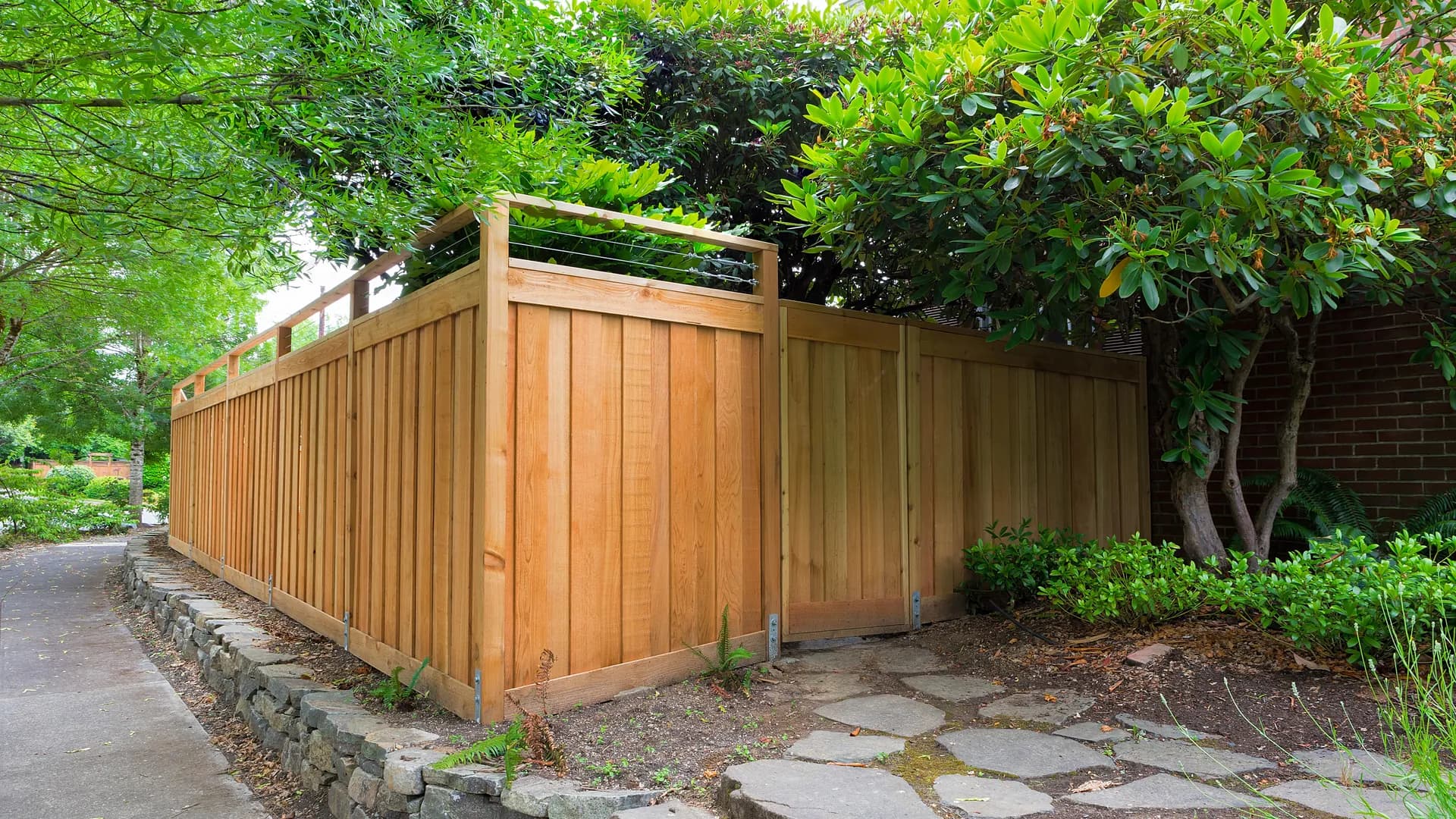
Why decks damage easily
Wood decking can survive maybe 200 PSI of direct pressure. Most pressure washers run 2,500-4,000. Even a momentary lapse with the wand close to the surface fuzzes the grain — and once wood fibers are raised, the deck soaks up water differently for the rest of its life.
Stone patios have their own failure mode: high pressure blasts the sand out of paver joints, the pavers shift, and within a year you're paying someone to relevel and re-sand.
The right method
Soft wash for wood and natural stone (chemistry does the work, no mechanical damage). Surface cleaner with careful pressure for stamped concrete. Hand-detailed work for fences (different surfaces need different angles).
Deck cleaning by what you actually have
"Deck" covers five very different materials, and the method changes with each one. We identify the surface before anything comes off the truck.
Redwood and cedar. The two most common decks in Sonoma Valley, and the two softest. They go grey from UV oxidation, not dirt — the cells on the surface break down and lose color. A percarbonate wash lifts that grey layer and the original tone comes back. Hypochlorite does not belong on bare redwood; it pulls the warmth out and leaves a washed-out, slightly yellow cast that no stain fully hides.
Pressure-treated pine. Harder and more forgiving than redwood, but prone to black spotting from mildew sitting in the grain. Treated lumber also bleeds tannins around iron fasteners, leaving dark rings at every screw. Those rings are a chemical stain, not dirt, and they come out with an oxalic acid brightener after the wash — not with more pressure.
Ipe and tropical hardwood. Dense, expensive, and often badly handled. Hardwood tolerates more pressure than softwood but shows every inconsistency, so it gets washed and brightened as one continuous pass rather than board by board.
Capped composite — Trex, TimberTech, Fiberon. The polymer shell resists growth, but mold still colonizes the embossed grain texture and the gaps between boards where pollen and oak debris collect. Manufacturers cap the pressure you're allowed to use and specify a wide fan tip; exceed it and you can scar the cap permanently, with no sanding available to fix it. This is a chemistry-and-brush job, not a pressure job.
First-generation uncapped composite. Anything installed before roughly 2010 has exposed wood flour in the surface, which is food. These boards grow mold inside the material, not on it. We can clean them and make a real difference; we will also tell you honestly that the growth will return faster than it would on a capped board.
Patios and pavers
Interlocking pavers rely on the sand in their joints for structure. Blast it out and the system loses its interlock — edges settle, corners lift, and the repair costs more than the cleaning did. We clean at controlled pressure with a surface cleaner, then refill the joints. Polymeric sand is worth the upgrade on any patio that drains across itself, because it resists washout and discourages weeds and ant tunneling.
Flagstone set in mortar has the same problem one step worse: washed-out mortar joints mean water gets under the stone. Natural stone — limestone, travertine, sandstone — is soft and absorbs chemistry, so it gets a soft wash and a long rinse rather than a fast pass at pressure.
Stamped and colored concrete can take a surface cleaner, but only if the sealer is intact. If the sealer has already failed and the color is chalking, pressure will take pigment with it. We check the sealer first and tell you what we find.
Fences are priced by the foot because they're hand work
A fence has two sides, a top cap, posts, rails, and hardware, and almost none of it is reachable with a surface cleaner. It gets worked by hand at a controlled angle, which is why fencing prices per linear foot instead of per square foot.
Three details that decide how a fence turns out:
- Spray direction follows the grain and the lap. Across the lap joints drives water behind the boards.
- The bottom twelve inches carry most of the growth, because that's where soil splash, irrigation overspray, and ground moisture meet. That band takes the longest and is where a rushed job is obvious.
- Wrought iron is a rust question, not a dirt question. Cleaning reveals how much corrosion is already there. We clean it and show you, so you can decide about paint before the rust spreads under it.
If you're staining this year, sequence it right
Washing is stain prep, and the order matters. Chemistry opens the wood and lifts the failed finish; brightener neutralizes it and restores pH so the new coating bonds. Then the deck has to dry — 48 to 72 hours of Sonoma summer weather for most decks, longer in shade or after a heavy wash.
Stain applied to damp wood fails early and fails ugly, usually as peeling within the first season. If you're hiring a painter, book the wash three days ahead of them, not the morning of.
When to do it in Sonoma Valley
Late spring through early fall, and preferably before the heat peaks. Decks come out of the winter rains carrying the whole season's growth, and a wash in April or May means you get the summer out of it. Washing after the first autumn rains starts the clock over again right as the growth season begins.
If the deck is going into a pre-listing or pre-event timeline, give it a week of margin. Wood needs its dry days and there's no way to rush them.
Add-ons
- Wood deck stain prep (extra detail wash): +$0.20/sq ft
- Paver joint sand refill: $0.45/sq ft
- Furniture move & replace: $45 flat (under 10 pieces)
Problems this solves
Outdoor Furniture Restoration
Patio sets, sectionals, umbrellas, fire pit furniture — cleaned and restored on-site.
Read moreMildew & Mold Treatment
The dark streaks and patches on your stucco, painted siding, or shaded walls.
Read moreMoss & Algae Removal
The green stuff on your driveway and shaded walls. It's more than a cosmetic issue.
Read morePool Deck Buildup Removal
The discoloration, calcium deposits, and algae on the surfaces around your pool.
Read more